
Understanding Fat Tire Ebikes
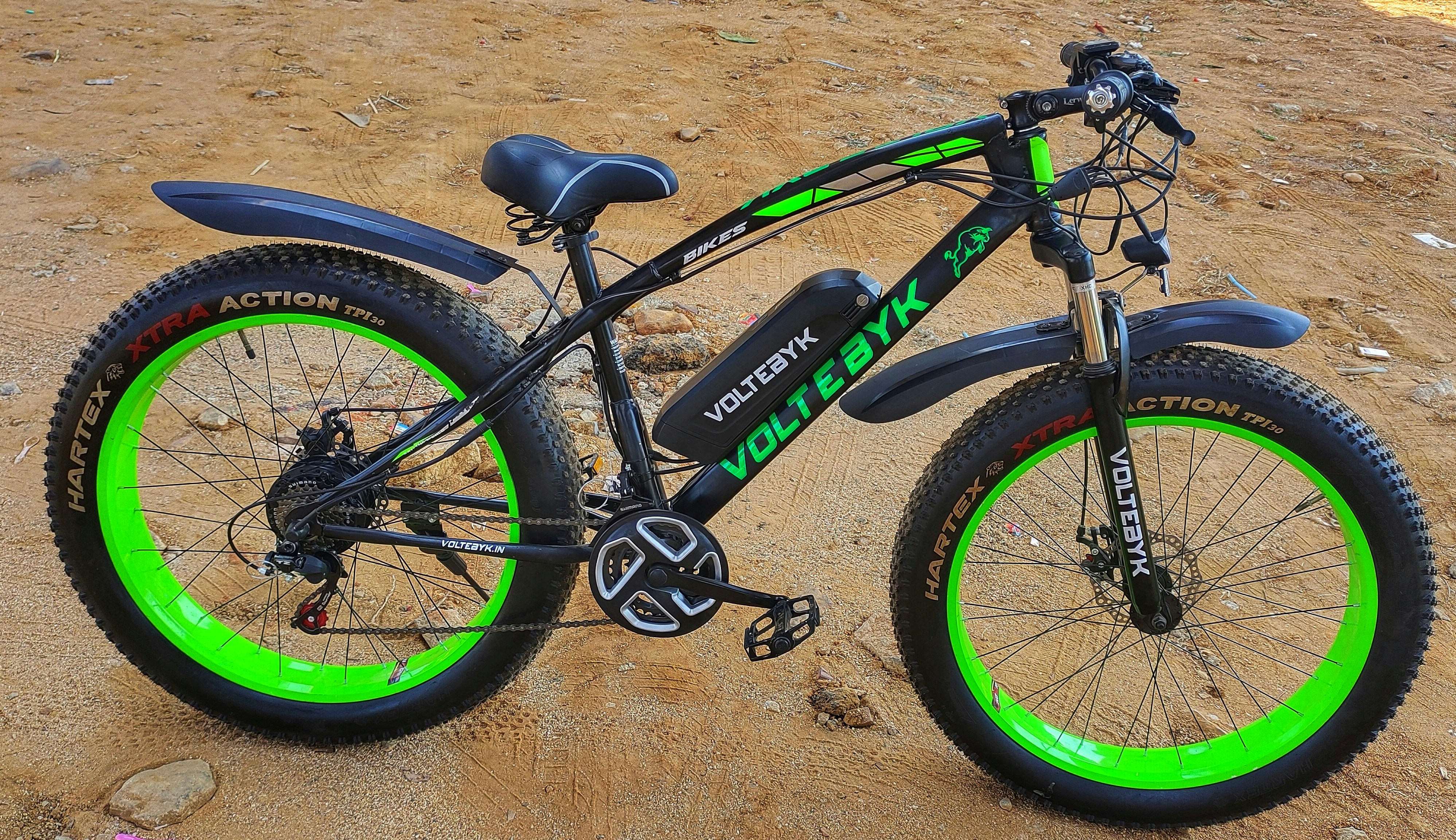
Fat tire ebikes represent a unique category of electric bikes that stand out due to their oversized tires, typically 3.8 inches or wider. These bicycles are specifically designed to provide improved traction and stability across a diverse range of terrains, including sand, snow, and rocky paths. The larger tires not only enhance grip but also absorb shocks better than standard electric bike tires, resulting in a more comfortable ride. This design feature makes fat tire ebikes particularly appealing for outdoor enthusiasts and those who wish to explore challenging landscapes.
One of the primary advantages of fat tire ebikes is their versatility. They can be utilized for various activities, such as off-roading, commuting, and recreational riding. Whether traversing a mountain trail, navigating through snow-covered paths, or simply riding through the city, a fat tire ebike is equipped to handle it all. This adaptability has gained them a significant following, making them a popular choice for both casual cyclists and serious riders alike.
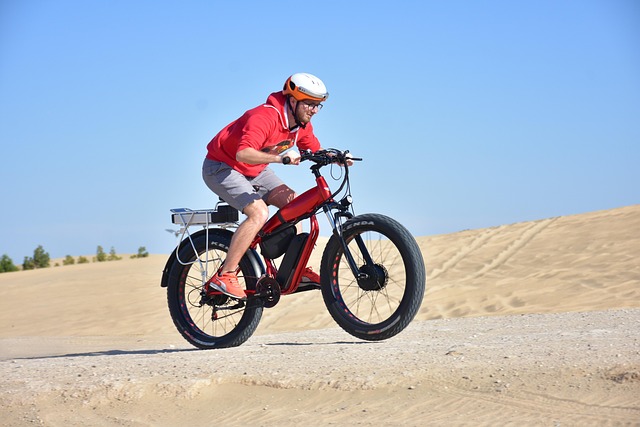
When exploring the market, potential buyers will discover a variety of fat tire ebike models tailored to meet different riding preferences and styles. For instance, many manufacturers offer fat tire ebikes designed for rugged outdoor adventures, featuring robust frames and powerful motors. Other models may focus on commuting efficiency, with lightweight designs and enhanced battery life for urban environments. Additionally, recreational fat tire ebikes are also available, providing comfort and ease for leisurely rides.
Ultimately, fat tire ebikes cater to a diverse array of cyclists, merging the benefits of traditional electric bikes with the capability to tackle tougher terrains. Their unique features, including wider tires and increased stability, create an enjoyable riding experience for users across various settings.
Key Features to Consider
When selecting the ideal fat tire ebike, there are several key features that significantly influence performance, durability, and overall riding experience. One of the foremost considerations is the motor power. Fat tire ebikes typically come with motors ranging from 250 to 1500 watts. A more powerful motor can handle steep terrains and challenging conditions more effectively, ensuring a smooth ride even in adverse environments. However, it is also essential to balance power with efficiency, as higher wattages may lead to shorter battery life.
Next, battery capacity is a crucial aspect to consider. Battery size is measured in amp-hours (Ah), and this directly impacts the distance the bike can cover on a single charge. For long-distance rides, opting for a higher capacity battery is advisable. Moreover, the quality of the battery can influence the longevity and overall performance of the ebike. Choose a battery that is compatible with the bike’s motor and provides adequate range based on your riding habits.
The frame material also plays an important role in the bike’s overall attributes. Common materials include aluminum, carbon fiber, and steel, each with its own benefits. Aluminum is lightweight and resistant to rust, ensuring longevity. Steel, while heavier, offers excellent shock absorption and durability. Carbon fiber, though often more expensive, combines lightweight properties with rigidity.
Tire specifications are another vital consideration. Wider tires provide better traction on soft surfaces, such as sand or snow, while maintaining stability and comfort. Additionally, exploring brake types, gear systems, and suspension is essential for enhancing overall handling and comfort. Hydraulic disc brakes offer superior stopping power, while a multi-gear system allows for smoother transitions on varying terrains.
Evaluating Your Riding Needs
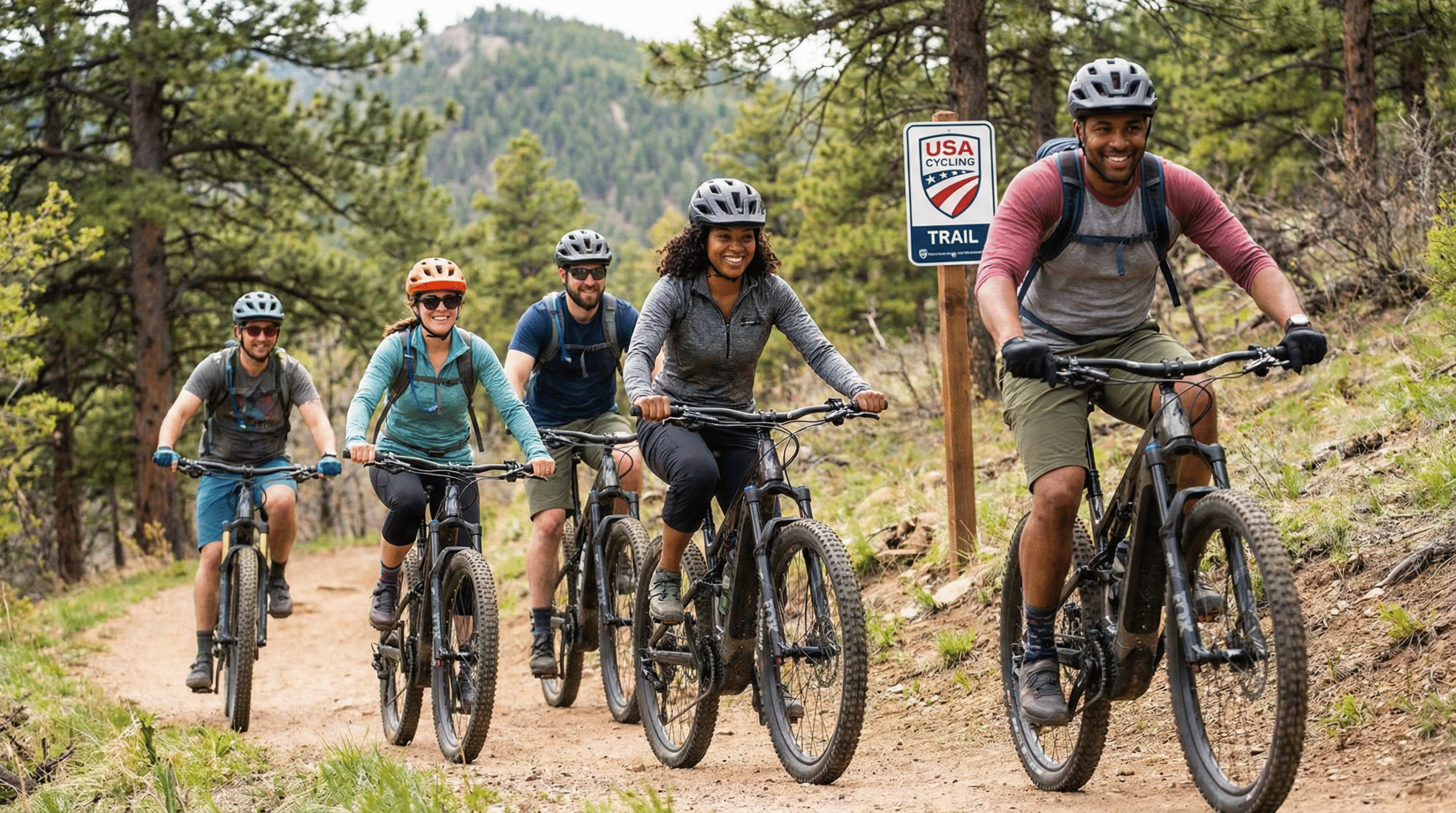
Choosing the perfect fat tire ebike necessitates a thorough assessment of your riding needs, as this will significantly influence the type of bike that best suits you. Start by considering the kind of terrain you intend to ride on; fat tire ebikes excel on various surfaces, including snow, sand, and rugged trails. Each fat tire ebike is designed with specific characteristics tailored to different environments, so it is vital to match your choice with the intended riding conditions for optimal performance.
Next, evaluate the frequency with which you plan to use the bike. If you aim to ride regularly, consider options that offer durability and reliability, ensuring they can withstand regular wear and tear. Conversely, if your biking is more recreational and infrequent, you may prioritize comfort and convenience features over high-performance specifications. Understanding how often you will ride will help you weigh the investment against the expected usage.
Your skill level is another crucial aspect to consider when selecting a fat tire ebike. Beginners may benefit from bikes equipped with user-friendly features, such as pedal assist systems and adjustable settings, making the learning process smoother. Experienced riders might seek bikes that offer advanced capabilities, like increased power and enhanced control for tackling challenging terrains. Aligning the bike’s features with your skill set not only ensures a better fit but also enhances your overall biking experience.
Finally, don’t overlook your budget when evaluating potential fat tire ebikes. A wider price range is available in the market, often corresponding to the quality and features of the bikes. Carefully consider how much you’re willing to spend versus the features you require. Balancing these factors will guide you toward making a practical choice that aligns with your riding needs.
Test Riding and Final Tips
Test riding multiple fat tire ebikes is an essential step in the selection process, as it allows potential buyers to gauge comfort, handling, and overall usability. Begin by visiting local retailers or specialized ebike shops that offer a variety of models. When testing a fat tire ebike, prioritize a few critical aspects. First, examine the comfort level during the ride. Pay attention to the seat, handlebars, and pedal height to ensure an ergonomic position that would endure longer rides without discomfort.
Next, assess the handling capabilities. Testing the bike on different terrains can provide insight into how well it performs on rugged paths or urban settings. Things to consider include the responsiveness of brakes, stability during sharp turns, and how effectively the tires grip the surface. Ease of use should be highlighted in your test rides. How simple it is to switch between different assist modes and pedal effectively? These features can significantly impact the riding experience.
In addition to the physical aspects of the ebike, consider purchase considerations like warranties and after-sales support. A solid warranty can provide peace of mind, especially given the investment involved in acquiring a quality fat tire ebike. It is also essential to look for reputable brands that offer customer support and accessible maintenance services. To enhance your decision-making process, delve into resources such as online forums, customer reviews, and comparative guides that explore different fat tire ebike models.
By following these test riding tips and taking into account the overall support structure surrounding your purchase, you can make a well-informed decision that aligns with your riding preferences and lifestyle needs.