Understanding Different Types of Electric Bikes
Electric bikes, or e-bikes, have transformed the biking experience, offering various types tailored to different needs and preferences. Each category of e-bike is specifically designed to cater to unique riding environments, making it essential for potential buyers to understand these distinctions.
Commuter e-bikes are among the most popular types, primarily designed for city travel. They typically feature a comfortable seating posture, integrated lights, and racks for carrying personal items. Commuter e-bikes are perfect for navigating urban landscapes, providing a viable alternative to traditional transportation methods while minimizing the environmental impact. Users can typically enjoy moderate speeds and decent battery life, making them an excellent choice for daily commutes.
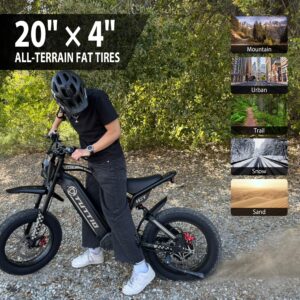
In contrast, mountain e-bikes are built to tackle rough and rugged terrains. These e-bikes are equipped with more robust frames, wider tires for better traction, and advanced suspension systems that contribute to a smoother ride on bumpy trails. This type of e-bike appeals to outdoor enthusiasts who seek to explore challenging landscapes while benefiting from electric assistance during steep climbs.
Folding e-bikes offer a different advantage by prioritizing portability and convenience. With their ability to fold compactly, these bikes can be easily stored at home, in a car trunk, or taken on public transportation. Although they often feature smaller wheels, many folding e-bikes are equipped with sufficient power and range to make them suitable for short to moderate distance rides. Their versatility makes them ideal for urban dwellers who may have limited storage space or who frequently travel between locations.
In conclusion, understanding the various types of electric bikes available is crucial for selecting the right one that meets individual cycling needs. By considering the intended use and features of commuter, mountain, and folding e-bikes, prospective buyers can make informed decisions that best reflect their lifestyle and preferences.

Essential Safety Gear for E-Biking
When embarking on an e-biking adventure, prioritizing safety gear is crucial for a secure riding experience. Electric bikes, while providing increased speed and ease compared to traditional bicycles, also necessitate enhanced protective measures. Helmets, for instance, are the most vital safety item. They are designed to absorb impact and protect the rider’s head in case of an accident. A properly fitted helmet significantly reduces the risk of severe injury, making it a non-negotiable part of any e-biker’s gear.
In addition to helmets, visibility is another key aspect of safety. Installing lights on your electric bike is essential, especially for evening rides. Front lights illuminate the path ahead, while rear lights ensure that you are seen by others, particularly in low-light conditions. Additionally, wearing reflective clothing can greatly enhance visibility, making you more noticeable to other road users. This is important not only for your own safety but also for the safety of pedestrians and other cyclists.
Further protective gear such as knee and elbow pads can also be beneficial, particularly for those who are new to riding or plan to ride in more challenging terrains. These items help cushion impacts and provide additional protection against scrapes during falls. Depending on the riding conditions—such as inclement weather or off-road trails—extra gear such as windbreakers or waterproof jackets may be required to maintain comfort and safety.
In summary, the right safety gear for e-biking is essential for reducing risks and enhancing the overall riding experience. By prioritizing items like helmets, lights, and reflective clothing, riders can enjoy their electric bike with greater confidence and safety, ensuring that every ride is not only enjoyable but also secure.
Battery Systems: Understanding Range and Charging Time
When considering an electric bike, one of the key factors that determines its performance is the battery system. Electric bikes use various battery types, with lithium-ion batteries being the most common due to their efficiency, lighter weight, and longer life span compared to older technologies such as lead-acid batteries. Understanding the characteristics of these batteries can significantly impact your choice of e-bike.
Battery capacity is typically measured in amp-hours (Ah) or watt-hours (Wh), indicating how much energy the battery can store. Generally, a higher capacity allows for a greater range, meaning that the rider can travel further on a single charge. For instance, a bike equipped with a 500Wh battery may offer a range of 30 to 100 miles, depending on factors such as terrain, rider weight, and level of pedal assistance used.
Charging time is another essential aspect to consider. Most modern electric bike batteries can be fully charged in 4 to 8 hours, depending on the battery’s capacity and the charger used. Fast chargers are available that can reduce the charging time significantly, allowing for quicker turnaround between rides. A bike that supports fast charging can be more convenient for those looking to use their e-bike for daily commutes or errands, as it minimizes downtime.
Additionally, battery systems may feature removable batteries, providing flexibility in charging options. This means that riders can easily take the battery inside to charge it, instead of having to bring the whole bike into the home or office. This feature enhances convenience for urban commuters who prefer to charge their e-bikes in a secure environment. Overall, a comprehensive evaluation of an electric bike’s battery systems—considering both range and charging time—can significantly improve the overall riding experience.
Maintenance and Local Regulations for Electric Bikes
Maintaining an electric bike is crucial for ensuring its longevity and optimal performance. Regular maintenance includes checking the battery, brakes, tires, and chain. The battery is one of the most vital components of an electric bike; it is recommended to keep it charged according to the manufacturer’s guidelines to avoid depleting its lifespan. Keeping the battery clean and free from corrosion can also help enhance its efficiency. Additionally, inspecting the brakes regularly is important, as effective stopping power is essential for safety.
Another key maintenance practice involves checking tire pressure before every ride, as this can affect speed and handling. Properly inflated tires improve efficiency and can prevent flats. Furthermore, it is advisable to lubricate the chain and gears regularly to ensure smooth operation and reduce wear and tear. Basic tools such as a tire pump, wrench set, and cleaning supplies should be readily available for the maintenance of the electric bike.
Regarding local regulations, it is critical for electric bike users to familiarize themselves with the laws governing e-bike usage in their area. Different regions may have varying requirements concerning speed limits, motor power, and bicycle licenses. For example, some jurisdictions classify electric bikes into different classes based on their speed and whether they have a pedal-assist feature. Riders may be required to comply with specific regulations, such as wearing helmets, using bike lanes, or even registering their e-bikes.
Understanding these local regulations will not only ensure compliance but also promote safe riding practices among e-bike users. It is recommended to check with local authorities or bicycling organizations for precise information on laws and safety requirements that apply to electric bikes in your region.
Click here :Go Buying Ebike