
Introduction to E-Bike Chain Links
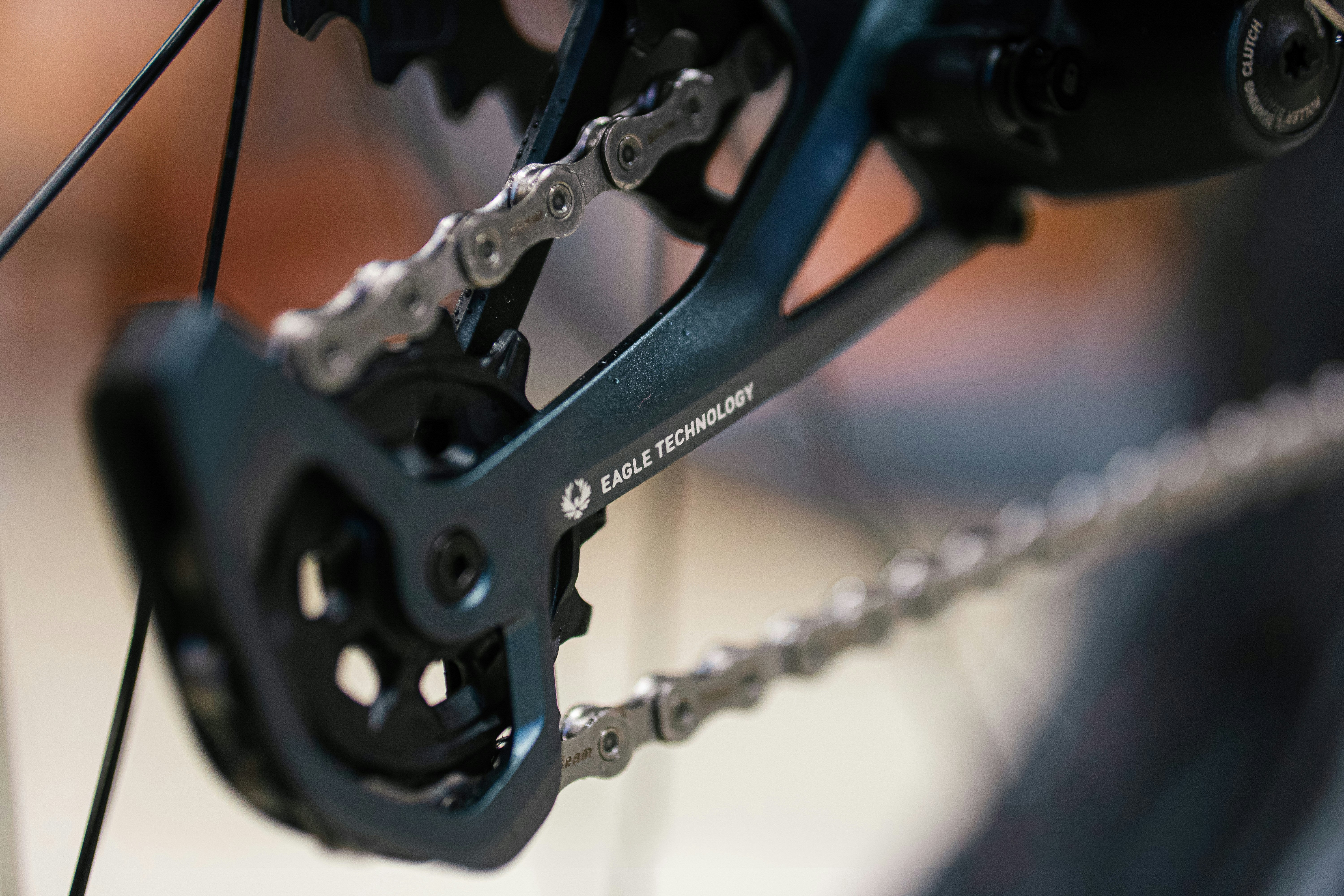
The drivetrain of an e-bike, including the Engwe M20, plays a crucial role in maximizing performance and efficiency during rides. One fundamental component of this system is the chain, often overlooked by casual riders but essential for translating pedal power into forward motion. Chain links are the individual segments that connect to form the entire chain. These links directly interact with the gears on the bicycle, transferring energy from the pedals to the rear wheel through a series of rotations.
Understanding how the chain operates in conjunction with gears is vital for appreciating the intricate mechanics of the e-bike. The seamless engagement and disengagement of the chain with the sprockets enable smooth shifting and enhance riding experience. If the chain is too long or too short, it can adversely affect gear shifting and overall performance, leading to potential issues while riding.
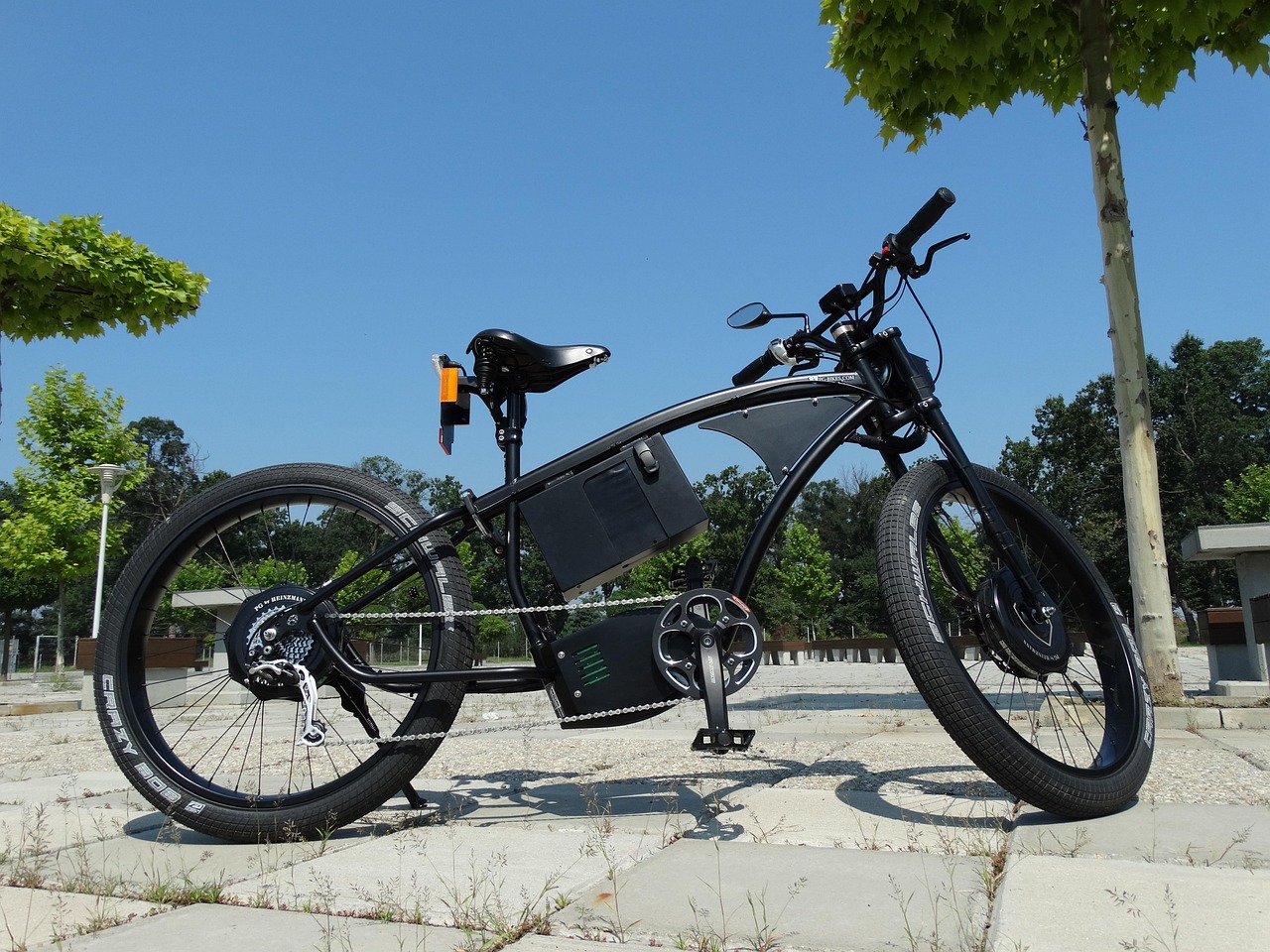
Another important aspect of chain links is their contribution to the ride’s performance. The length of the chain can influence factors such as tension and efficiency, impacting how effectively power is transferred during pedaling. A properly sized chain optimizes the interaction with the derailleur, ensuring that gear changes are swift and without noticeable lag. Moreover, being aware of the number of chain links is essential for routine maintenance and potential upgrades. Over time, chains wear out, leading to stretched links that may reduce performance and require replacement.
In summary, chain links are vital to the functionality of the e-bike’s drivetrain. Familiarity with these components enables riders to maintain their bikes better and make informed decisions regarding upgrades. By investing in knowledge about the chain and its workings, e-bike enthusiasts can enhance their riding experience and prolong the lifespan of their machinery.
Chain Links Specification for the Engwe M20 E-Bike
The Engwe M20 E-Bike is designed to cater to various cycling preferences and configurations, which also impacts its chain link specifications. A critical aspect of understanding the performance and suitability of any bike is the specification of its chain, specifically the number of chain links. Generally, the standard configuration of the Engwe M20 is equipped with a chain that comprises around 106 to 112 links. However, this number may vary based on specific adjustments and modifications made to the bike’s setup.
To ascertain the precise number of chain links on your Engwe M20, one can consult the manufacturer’s documentation, which typically includes detailed specifications for various components of the e-bike, including the chain. This official technical information is valuable for those looking to maintain or replace parts of their bike accurately. If documentation is not available, an alternative approach is to measure the chain directly. To do this, one can lay the chain flat on a surface and count the individual links. This method is particularly useful if you have made custom adjustments to your bike that could affect the chain length.
It is important to consider that variations may exist based on bike configuration or model year, as improvements in design or technology can influence specification changes. Therefore, checking for the latest information pertinent to the particular model of your Engwe M20 is advisable to ensure compatibility with other components. Understanding these specifications not only aids in effective maintenance but also optimizes the overall performance of the e-bike, ensuring a smooth and efficient ride for users.

Effects of Chain Links on Performance
The number of chain links on the Engwe M20 E-Bike has a significant influence on its overall performance. A properly sized chain is critical in determining the effectiveness of gear shifting, power transfer efficiency, and climbing ability. When the chain is appropriately configured with the bicycle’s gear system, it ensures smoother transitions between gears, enhancing the rider’s ability to manage varying terrains. Poorly adjusted chain links, on the other hand, may lead to inconsistent gear shifts and potential mechanical issues.
Power transfer is another critical aspect affected by the chain links. An optimal chain length promotes seamless engagement between the chain and sprockets, allowing for efficient energy transmission from the pedals to the wheels. If there are too many links, the chain may sag, resulting in slippage or loss of power during rides. Conversely, a chain with too few links might lead to overly tight physics, straining the components and potentially diminishing the bike’s overall performance.
Climbing ability is a direct indicator of how well the chain and gear systems interact. A well-maintained chain facilitates a confident ascent, enabling the rider to shift into a lower gear without excessive effort. If the chain is excessively long or short, the rider may experience a penalty in climbing efficiency. Adjusting the number of chain links can optimize gearing for various inclines and enhance the overall experience when navigating challenging terrains.
Furthermore, the comfort of the ride is intricately linked to the performance of the chain. A consistently performing chain eliminates the noise and stress associated with poorly functioning components. Therefore, maintaining the right number of chain links is essential not just for performance metrics like shifting and power transfer but also for ensuring an enjoyable and comfortable ride on the Engwe M20 E-Bike.
Maintenance and Replacement of Chain Links
The maintenance of the chain on the Engwe M20 E-Bike is crucial for ensuring optimal performance and longevity. Regular cleaning of the chain should be a priority for riders, as dirt and grime can lead to accelerated wear and tear. To clean the chain, use a dedicated bicycle chain cleaning tool or a soft brush along with a degreaser specifically designed for bicycle components. This process not only removes embedded particles but also prepares the chain for lubrication.
After the chain has been cleaned and dried, it’s essential to apply a lubricant suitable for the conditions in which the e-bike is typically used. For dry conditions, a dry lubricant is recommended, while wet lubricants are more appropriate for rainy environments. Applying the lubricant helps reduce friction, making pedaling easier and improving the bike’s overall efficiency. It is advisable to wipe away any excess lubricant to prevent attracting more dirt.
Recognizing when to replace chain links is also a pivotal aspect of chain maintenance. A general rule of thumb is to check the chain for signs of elongation or wear every 500 to 1,000 kilometers. An easy method to assess this is using a chain checker tool. If the elongation exceeds acceptable limits—generally 0.5% or more—it’s time to replace the chain to avoid further damage to the drivetrain.
When replacing chain links, it’s imperative to ensure the correct number of links is used. Installing the wrong length can lead to shifting issues or excessive stress on other components. Proper maintenance and timely replacement not only enhance the functionality of the Engwe M20 E-Bike but also prevent potential problems such as skipping gears or chain breaks. Therefore, paying attention to the bike’s chain will result in a well-functioning drivetrain, ultimately contributing to a smoother and more reliable ride.