
Understanding Class 1 eBikes and Throttle Regulations
Class 1 eBikes are defined as bicycles equipped with a motor that provides assistance only when the rider is pedaling. This type of eBike is designed to enhance the cycling experience by offering a boost to speed and endurance, making it a popular choice for commuters and recreational riders alike. The motor on a Class 1 eBike typically ceases to provide assistance once the bicycle reaches a speed of 20 miles per hour, aligning with regulations in many jurisdictions that aim to ensure the safety of cyclists and other road users.
The limitations of Class 1 eBikes, particularly their exclusive reliance on pedal-assist functionality, mean that they do not have a throttle that allows the rider to engage the motor without pedaling. This design choice emphasizes the idea that these bicycles should be treated similarly to traditional cycles, often permitting them to be used in areas where motorized vehicles are restricted, such as parks and bike lanes. However, as cyclists consider adding a throttle to their Class 1 eBike, it is vital to understand the legal implications of such modifications.
In numerous locations, converting a Class 1 eBike by adding a throttle may result in the bicycle being classified differently, potentially moving it into the Class 2 or Class 3 eBike categories. These classifications come with stricter regulations, which could include requirements for licensing, registration, insurance, and limitations on where the bike can be operated. Before making any modifications, riders should thoroughly research local laws and regulations regarding eBikes to ensure compliance and avoid any legal consequences. Understanding the nuances of Class 1 eBike regulations is crucial for riders aiming to enhance their eBiking experience while adhering to the law.
Tools and Materials Needed for Adding Throttle
To effectively add a throttle to a Class 1 eBike, it is essential to gather a specific set of tools and materials. This comprehensive list will not only facilitate the installation process but also ensure that the modifications meet safety and performance standards.
First, you will need to select your throttle type. The two most common types are twist throttles, which allow for a more natural grip and control, and thumb throttles, which are easier to operate for extended periods. Each has its advantages, and the choice will depend on personal preference and the specific configuration of your eBike.
Next, you will require electrical connectors to safely interface the throttle with the bike’s existing wiring. These connectors come in various forms, including bullet connectors, spade connectors, and more. They are crucial for ensuring a secure and efficient connection, thereby preventing any electrical issues during operation.
A compatible battery pack is necessary, as it will supply the power needed for the throttle to function. Make sure the voltage and capacity of the battery align with the eBike’s requirements to maintain optimal performance.
You will also need cables for linking the throttle to both the battery and the motor controller. The gauge of these cables is important, as it impacts the flow of current and overall efficiency. Thicker cables are typically better for minimizing resistance.
In terms of tools, securing a screwdriver set and wire strippers is vital for managing small screws and trimming wires accurately. Additionally, a soldering iron might be necessary if you plan to create permanent connections. This will help ensure all components are securely attached, enhancing both durability and functionality.
By preparing this toolkit and gathering the appropriate materials, you will be well-equipped to undertake the throttle installation on your Class 1 eBike efficiently and safely.
Step-by-Step Guide to Installing a Throttle
Installing a throttle on a Class 1 eBike requires careful attention to detail to ensure both functionality and compliance with regulations. This step-by-step guide aims to facilitate a smooth installation process. Begin by gathering the necessary tools, which may include a screwdriver, pliers, and zip ties, as well as the throttle kit designed for your specific eBike model.
Before proceeding, it is imperative to ensure safety by disconnecting the battery. This step mitigates the risk of electric shock and prevents accidental activation during the installation process. Once the battery is disconnected, examine the bike’s handlebar space to determine the most suitable location for the throttle installation. Clean the area if necessary to ensure a secure mounting surface.
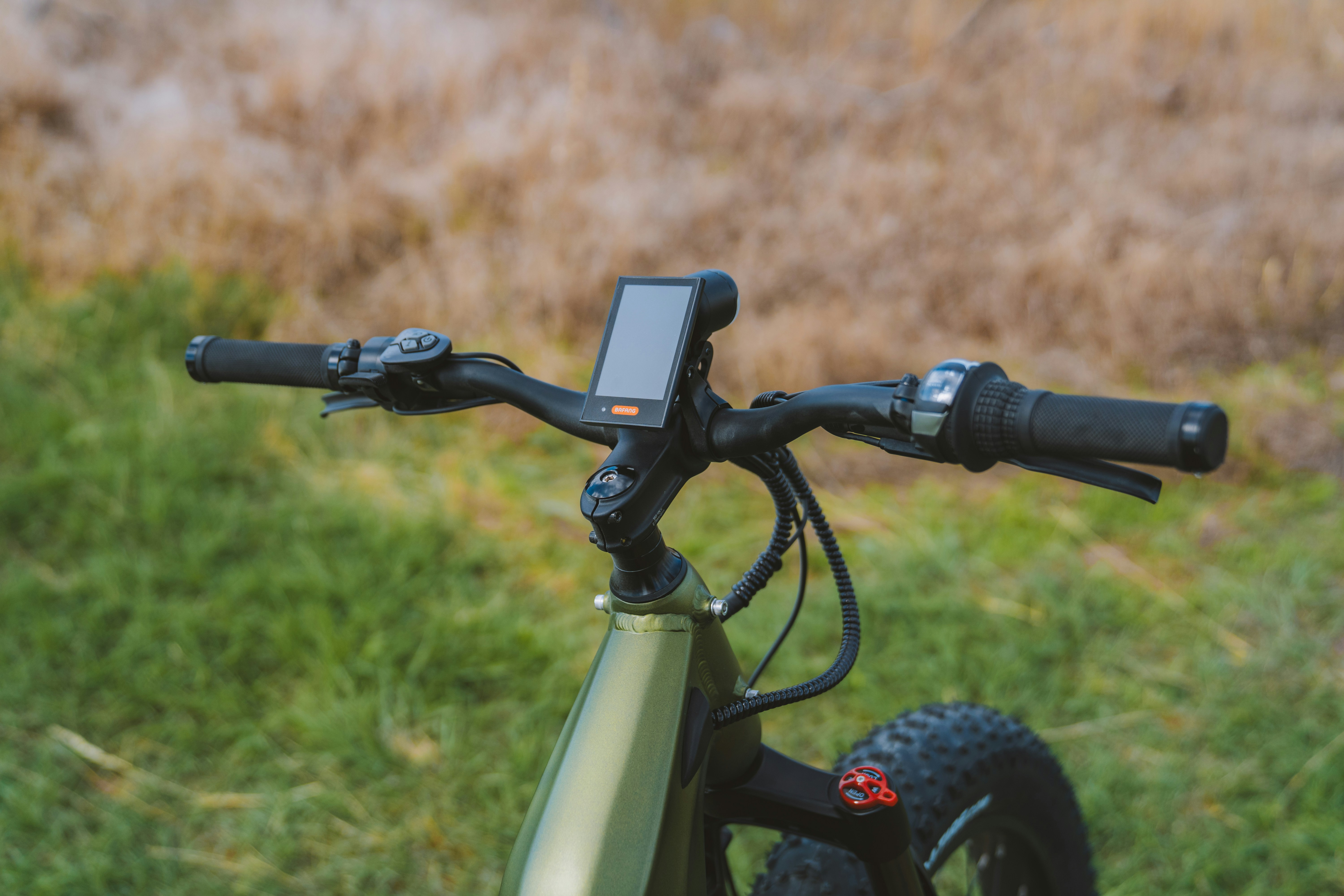
Next, mount the throttle onto the handlebar. Most throttles may come with a bracket or a clamp; ensure that it is securely fastened and adjusts to a comfortable position for operation. Once mounted, refer to the wiring diagram provided in your throttle kit. Carefully connect the throttle’s wiring to the eBike’s controller. This may involve matching colors or specific connectors, depending on the manufacturer. Double-check all connections for any loose or exposed wires that could pose safety risks.
After wiring is complete, reconnect the battery to test the system. It is crucial to verify that the throttle engages smoothly without sudden jerks or disruptions. During testing, pay attention to whether the throttle adheres to Class 1 regulations, which maintain a maximum speed of 20 mph with the assistance of pedal power. If the throttle functions properly and complies with applicable regulations, finalize the installation by securing any loose cables with zip ties to prevent them from interfering with the bike’s movement.
With these steps completed, you can now enjoy enhanced control and versatility on your eBike, equipped with a newly installed throttle that enhances your cycling experience.
Testing Your eBike and Safety Considerations
Once the throttle installation on your Class 1 eBike is complete, it is imperative to conduct thorough testing to ensure both functionality and safety. Begin the testing process in a controlled environment, such as a quiet parking lot or an open field, where you can focus on the responsiveness of the throttle without distractions. Gradually engage the throttle to assess its performance, ensuring that the bicycle responds appropriately without any unusual noises or jerking movements. It is essential to test the braking system in conjunction with the throttle, as understanding how these components interact will significantly contribute to a safe riding experience.
Before hitting the road, check that all components are secure and functioning correctly. This includes verifying the battery’s charge level, testing the lights, and ensuring that any necessary adjustments to the gears or brakes have been made. Familiarize yourself with how the throttle behaves at different speeds and under various conditions. Practice maneuvering at low speeds and gradually increase your pace to build comfort with the handling characteristics of the eBike in throttle mode. This step is crucial, as it allows riders to become accustomed to the eBike’s acceleration and deceleration, which can differ from traditional bicycles.
Moreover, adhering to safety considerations while riding a throttle-equipped eBike is vital. First and foremost, be aware of local laws regarding the use of throttles on eBikes, as regulations can vary significantly by region. Wearing appropriate safety gear, such as a helmet, elbow and knee pads, can help mitigate the risks associated with riding at higher speeds. Start with cautious speed control, especially in populated areas or on bike paths, as sudden acceleration can lead to loss of balance and control. Always remain vigilant regarding traffic conditions, pedestrians, and other cyclists to ensure a safe and enjoyable riding experience.