
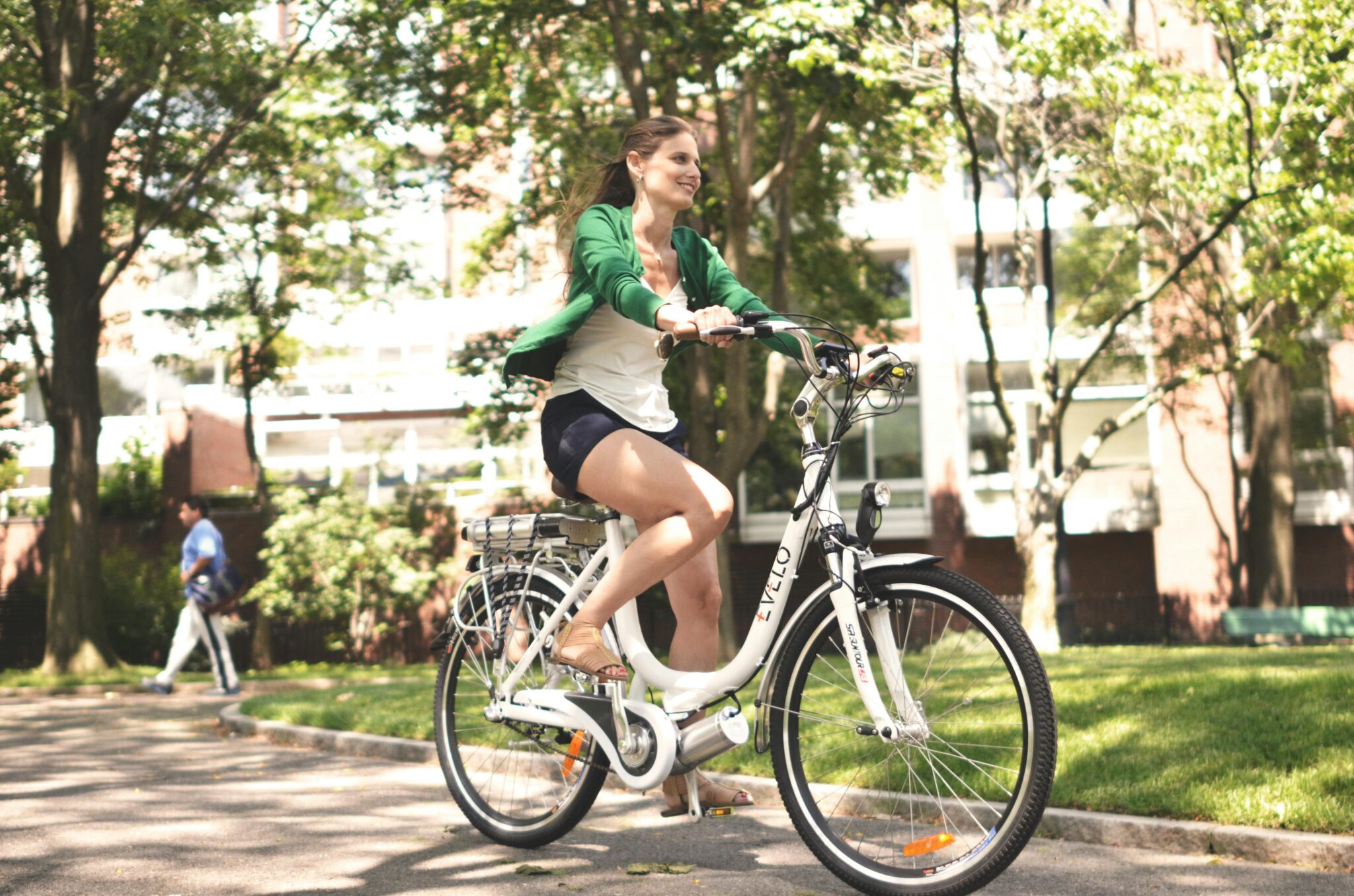
Understanding the Cost of Ebikes
The price of electric bicycles, commonly known as ebikes, varies significantly based on a multitude of factors. On the lower end of the spectrum, entry-level models can be found in the range of $500 to $1,500, offering basic functionalities suitable for casual riders. These models typically include simpler battery systems and less powerful motors, making them ideal for those who primarily use ebikes for short commutes or leisurely rides.
In contrast, high-end luxury ebikes can exceed $3,500, incorporating advanced technology, superior battery quality, and powerful motors. Premium models often boast high-capacity lithium-ion batteries that extend the riding range, and stronger motors that provide a more responsive cycling experience. Buyers looking for these features will find that they significantly impact the overall cost, along with aspects such as lightweight materials and aesthetics. For instance, carbon fiber frames may enhance durability and ride quality but also increase the price considerably.
Beyond the initial cost, it is essential to consider long-term savings. Ebikes can serve as a cost-effective alternative to traditional vehicles, especially in urban settings where fuel and parking costs can accumulate quickly. By opting for an ebike, riders can reduce expenses associated with car ownership, maintenance, and fuel, often recovering the initial investment within a few years. Additionally, some regions offer incentives and subsidies for purchasing ebikes, further enhancing their affordability.
In summary, understanding the various factors that determine the cost of ebikes reveals a diverse market catering to different needs and budgets. The initial investment should be viewed in the context of long-term benefits, which can make the shift to an ebike a financially sound decision for many consumers.
Comparing Different Types of Ebikes
Electric bikes, or ebikes, come in various categories, each designed to meet distinct user needs and environmental conditions. Among the most common types are commuter ebikes, mountain ebikes, and folding ebikes. Understanding these categories can assist potential buyers in making informed choices based on their lifestyle and intended use.
Commuter ebikes are primarily designed for urban riding. They often feature a lightweight frame, integrated lights, and fenders, which make them ideal for city commuting. Typically, these ebikes provide a range of 20 to 50 miles per charge, depending on battery capacity and usage. Price ranges for commuter ebikes can vary significantly, but they generally fall between $1,200 and $3,000. The terrain compatibility for commuter ebikes is usually flat or mildly inclined roads, making them suitable for most urban environments.
In contrast, mountain ebikes are engineered for off-road adventures. These models are equipped with sturdier frames, suspension systems, and wider tires to handle rough terrain effectively. Mountain ebikes often provide a higher level of torque, essential for climbing steep hills and navigating uneven paths. Their average range per charge can vary, typically between 30 to 60 miles, depending on the assist level and trail conditions. The price for mountain ebikes usually ranges from $1,500 to $4,000, reflecting their advanced features and specifications.
Folding ebikes offer unique advantages for those with limited storage space or who use public transport. Their compact design allows for easy storage and transportation. Despite their smaller size, many folding ebikes maintain a range of 15 to 30 miles on a full charge, making them suitable for short city commutes. The price for folding ebikes generally falls between $800 and $2,500. While they may not be as robust as commuter or mountain models, they offer versatility and convenience in urban settings.
In conclusion, each type of ebike caters to different user preferences and riding conditions. By evaluating features such as terrain compatibility, battery range, and price, consumers can identify the ebike that best aligns with their needs.
Top Ebikes on the Market in 2025
The electric bike (ebike) market has witnessed remarkable advancements over the years, leading to a diverse range of options catering to various riders’ needs. In 2023, some notable ebikes stand out for their performance, specifications, and customer satisfaction. Below, we explore some of the top-rated models currently available.
First on the list is the Lectric Ebike. This fat tire ebike is known for its robust design and versatility. Equipped with a 750W motor, it boasts a top speed of 20 mph and a battery range of up to 45 miles on a single charge, setting a new standard for performance. Priced around $1,899, it also features a rear rack and integrated lights, ensuring that it meets various commuting needs.
Next, we have the Tuttio Ebike, an excellent choice for urban commuting. This model features a powerful Bosch Performance Line motor, providing smooth, affordable rides at speeds of up to 28 mph. With a battery life of 50 miles, it ensures that longer commutes can be met with ease. Priced at approximately $3,499, its premium build quality and design make it a favorite among cyclists.
The Rad Power RadRover 6 Plus is another top-ranking ebike. Its lightweight frame enhances maneuverability while equipped with a 240W motor that allows riders to reach speeds of 28 mph quickly. With up to 80 miles on a single charge, this model is ideal for those seeking adventure without sacrificing efficiency. It generally retails around $4,500, showcasing the innovation that sets it apart in the market.
Additionally, the Ancheer 26” Electric Mountain Bike is an affordable yet reliable option, priced at approximately $599. Featuring a 250W motor and a battery range of up to 30 miles, it is suitable for entry-level riders looking to explore rugged terrains without significant investment.
These models reflect the ongoing innovation in the ebike market, catering to varying preferences and budgets. Whether for commuting or leisure rides, 2023 offers a selection of outstanding ebikes that combine technology, performance, and design to enhance the cycling experience.
Factors to Consider When Buying an Ebike
Purchasing an electric bike, commonly referred to as an ebike, requires careful deliberation of several crucial factors to ensure a well-informed investment. First and foremost, buyers must define their intended use for the ebike. Whether for commuting, leisurely rides, or off-road adventures greatly influences the type of model suitable for the individual. Different terrains demand specific features such as robust tires, suspension, and powerful motors, making clarity on usage paramount.
Next, budget constraints play a significant role in the decision-making process. The market offers a wide range of ebikes at varying price points, and understanding what features or specifications can be sacrificed or prioritized according to personal finances is essential. If a limited budget is present, researching mid-range options can yield quality profiles that do not compromise on performance or safety.
Another critical aspect to evaluate is the bike’s size and fit. Finding an ebike that accommodates the rider’s height, body type, and preferred riding posture contributes significantly to comfort and overall riding experience. A properly fitted ebike enhances not only enjoyment but reduces the risk of discomfort or injury over time.
Test rides should not be overlooked; they provide invaluable insights into the bike’s handling and features. Many retailers offer the opportunity to experience an ebike firsthand prior to purchase, enabling potential buyers to make a more calculated decision based on personal preferences. Furthermore, considering the warranty and support offered by manufacturers should also be a priority. A comprehensive warranty signals a manufacturer’s commitment to quality, while good after-sales services and readily available replacement parts can save consumers time and frustration in the long run.