
Understanding E-Bikes: Types and Features
Electric bicycles, commonly known as e-bikes, have gained immense popularity as a viable commuting option. They come in various types, each tailored to specific riding experiences and environmental conditions. The main categories of e-bikes include city, mountain, folding, and hybrid models, catering to diverse user preferences and commuting needs.
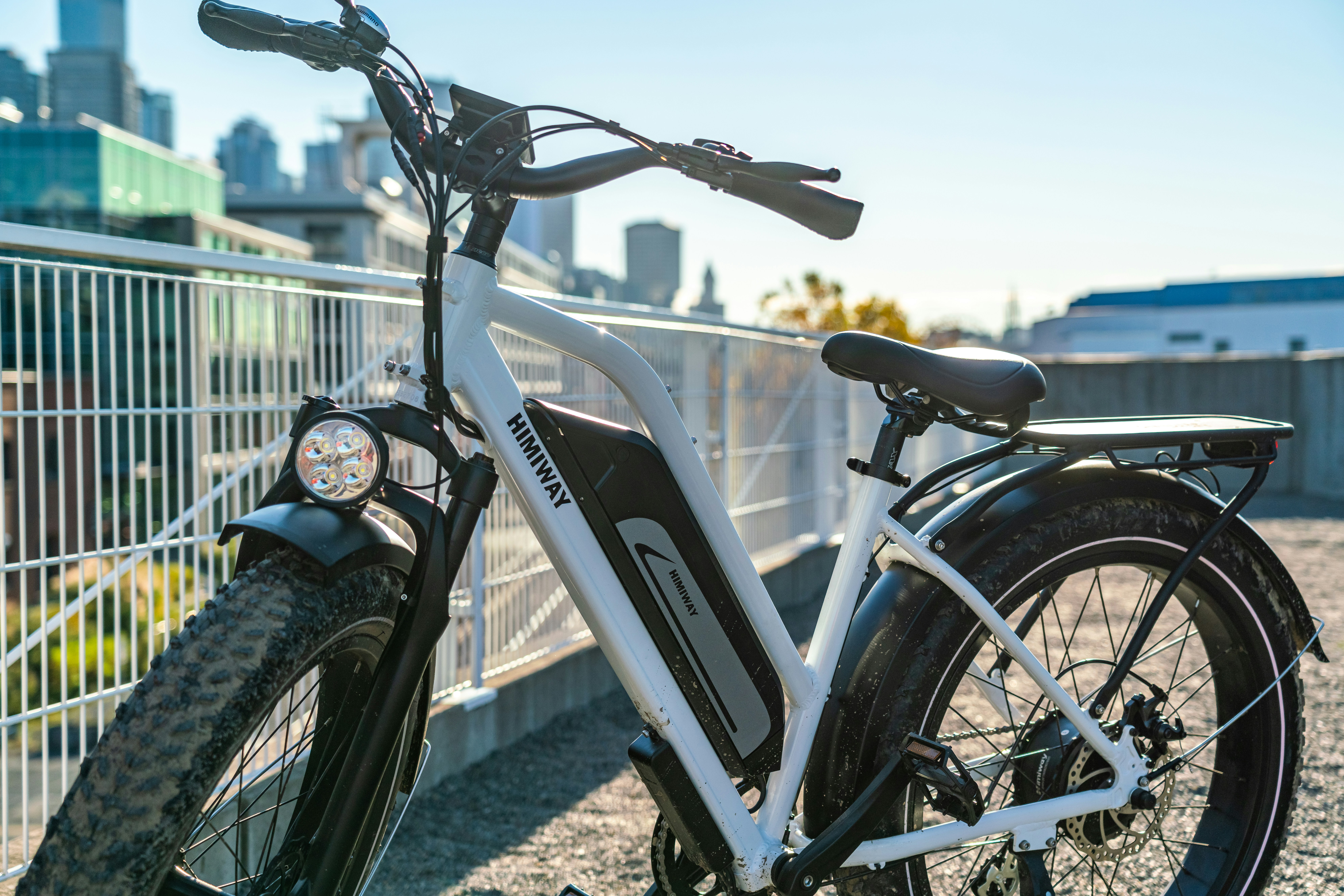
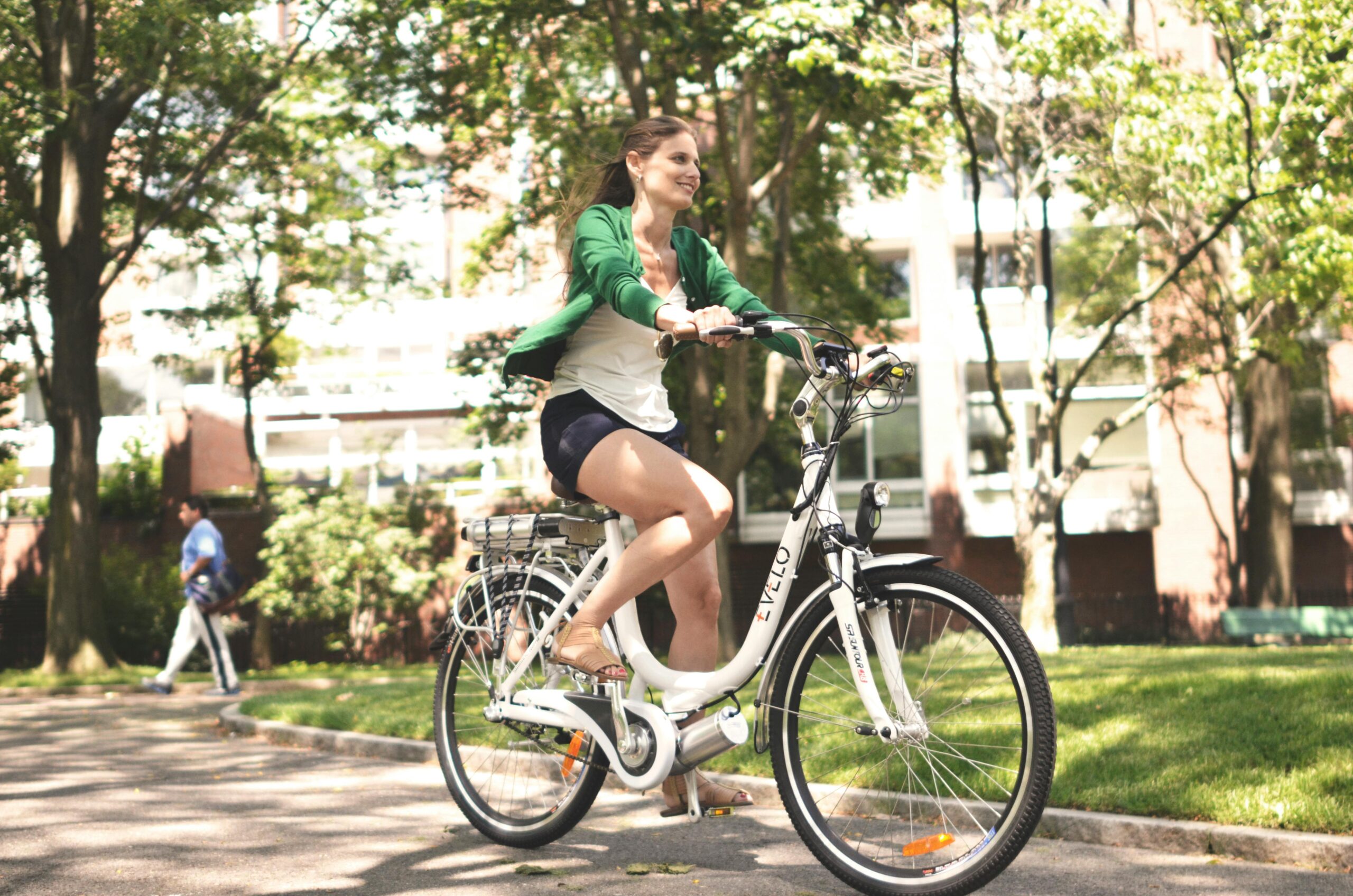
City e-bikes are designed for urban environments, featuring comfortable seating and lightweight frames. They often come equipped with practical accessories such as fenders, lights, and racks, making them ideal for daily commuting in bustling cities. On the other hand, mountain e-bikes are engineered for off-road terrains, boasting sturdy frames, enhanced suspension systems, and more robust tires to tackle uneven surfaces. These bikes are perfect for adventurous individuals seeking both commute and recreational riding.
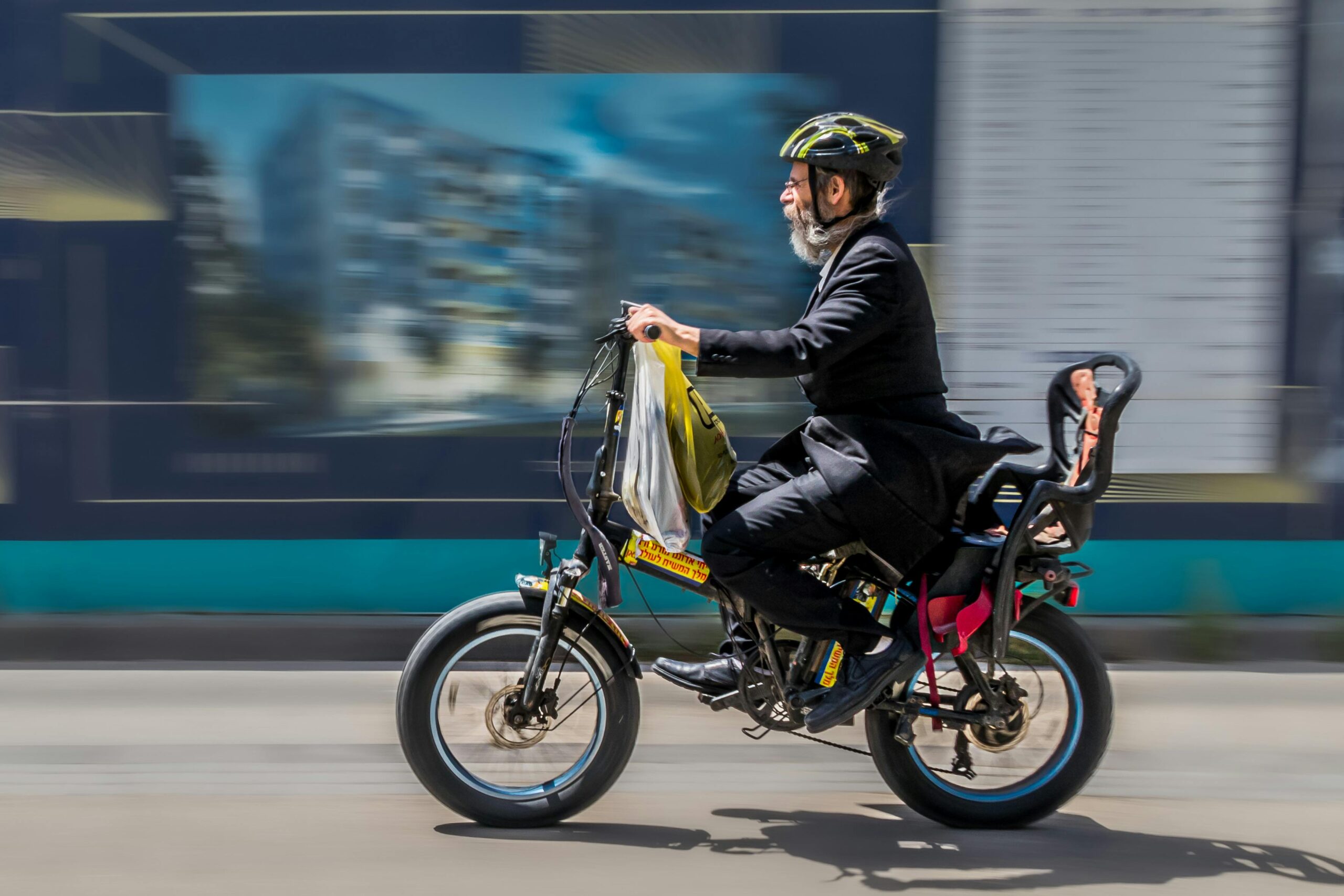
Folding e-bikes offer a unique blend of convenience and portability. Their compact design allows for easy storage in small apartments or offices, making them a popular choice among commuters who rely on public transport. Lastly, hybrid e-bikes combine features from both city and mountain bikes, providing versatility for riders who may encounter a variety of terrains on their commute.
When selecting an e-bike, several essential features must be considered. Motor power is crucial as it dictates the bike’s performance and ability to tackle inclines. A robust motor typically ranges between 250W to 750W, catering to different riding styles. Additionally, battery capacity affects the range and distance a rider can travel on a single charge. Riders should look for batteries that offer at least 400Wh for more extended use. Weight is another important factor, as lighter e-bikes are generally easier to handle. Lastly, considering the overall range of an e-bike is vital, ensuring it meets the daily commuting distance without frequent recharging.
By understanding the various types of e-bikes and their essential features, prospective buyers will be better equipped to choose the model that best suits their commuting needs.
Evaluating Your Commuting Needs
When selecting an e-bike for commuting, it is imperative to assess your individual commuting needs. A fundamental starting point is determining the daily commute distance. Understand how far you travel to work or school; this will help identify suitable e-bike ranges. Most e-bikes can comfortably handle distances of up to 30 miles on a single charge, but if your route exceeds this, consider options with extended battery life or a second battery for long journeys.
Next, the terrain on your commute plays a crucial role in your choice of e-bike. If your route is predominantly flat, a basic model may suffice. However, if your commute includes hilly areas, an e-bike equipped with a powerful motor and a higher battery capacity is essential to make the ride manageable. It’s also worth noting that e-bikes come with different pedal-assist levels; evaluating which level suits your terrain can enhance your cycling experience significantly.
Moreover, consider storage options both at home and work. Assess the amount of space you have available for parking the e-bike. If you live in an urban environment with limited parking, a folding e-bike may offer convenience without sacrificing mobility. Additionally, check whether your workplace provides secure bike parking or requires additional locks for safety.
Lastly, potential weather conditions should influence your choice as well. Regular exposure to rain, snow, or extreme temperatures may necessitate e-bike components designed for durability, such as weather-resistant materials. Furthermore, options like full fenders and integrated lights can enhance safety during adverse conditions. Factoring in these various elements will allow you to select an e-bike that aligns seamlessly with your commuting lifestyle.
Budgeting for Your E-Bike Purchase
When considering the purchase of an e-bike for commuting, setting a realistic budget is a crucial step. E-bikes are available in a wide price range, typically from around $600 to over $5,000. Understanding where your desired model falls within this spectrum can help guide your decision-making process.
In the lower price range, typically $600 to $1,500, you can expect basic models that provide essential features such as a modest electric motor and a functional battery. These e-bikes are often heavier and may sacrifice some durability and performance quality. While they are suitable for casual commuting, they may lack the advanced technology that enhances the riding experience.
Mid-range e-bikes, generally priced between $1,500 and $3,000, offer improved components and better overall performance. You can find models with higher-quality batteries, more responsive motors, and additional features such as integrated lights and advanced display systems. These bikes often provide greater comfort and a more reliable commuting experience, making them a solid choice for regular users.
For those willing to invest upwards of $3,000, premium e-bikes feature high-end specifications, lightweight materials, and superior engineering. These models also typically come with extensive warranties and advanced features like regenerative braking systems and top-tier battery technology. Investing in a high-quality e-bike can significantly enhance your daily commute.
It is essential to remember that the purchase cost is just one part of your e-bike budget. Additional expenses such as accessories, including helmets, locks, and lights, should not be overlooked. Moreover, consider the costs of maintenance and potential insurance, as these can accumulate over time. Planning for these factors will ensure a comprehensive financial strategy for purchasing your new e-bike.
Test Riding and Making the Final Decision
When it comes to selecting the ideal e-bike for commuting, test riding is a crucial step that should not be overlooked. The process of evaluating how an e-bike performs in real-world conditions will provide invaluable insight into its suitability for your specific commuting needs. During the test ride, several factors should be assessed, including comfort, handling, and ease of use.
Start by evaluating the comfort level of the e-bike. This involves checking the seat design, handlebar height, and frame size to ensure that it aligns with your body dimensions. A comfortable riding position will significantly enhance your overall experience, especially during longer commutes. Pay attention to how the bike reacts to your weight distribution as well; a well-balanced e-bike will handle better in different scenarios, from urban traffic to uneven road surfaces.
Handling is another vital aspect to consider. Take the e-bike through various terrains and conditions, observing how well it maintains stability, especially while cornering or braking. A responsive e-bike will inspire confidence, crucial for safety in high-traffic areas. Furthermore, test the acceleration and deceleration to determine if the motor provides the desired level of power alongside intuitive controls.
Equally important is the reputation of the dealer or manufacturer from whom you intend to purchase. Opting for e-bikes from well-regarded brand names ensures you receive quality products along with reliable customer support. Warranties also play a significant role in your purchasing decision, as they provide peace of mind in case of unforeseen issues. Look for models that come with comprehensive customer service and warranty options.
In conclusion, taking the time to test ride several e-bikes while focusing on comfort, handling, and the reputation of the seller will empower you to make an informed decision tailored to your commuting needs. With the right approach, you can confidently choose an e-bike that will serve you well in your daily travels.